A Journey Back to Dignity: Mehebuda’s Story
On 13 August 2021, during a field visit to the Kalimuddin area in Beleghata, staff from the Shelter for Urban Homeless noticed a woman sitting silently by the roadside. She appeared vulnerable, disoriented, and in urgent need of care.
When the staff gently approached her, she explained that she had come for a doctor’s check-up with her brother and nephew but had become separated from them. She responded only in Hindi, suggesting she might not have been a local resident, which could explain her confusion and inability to recall her address or recognise the surroundings.
Though she had become separated, what raised deeper concern was the absence of any effort by her relatives to find her. Unfortunately, this is not an isolated incident. According to a 2017 survey by HelpAge India, nearly 50% of elderly respondents reported being abandoned or neglected by their own children, often left to survive alone in unfamiliar environments.*
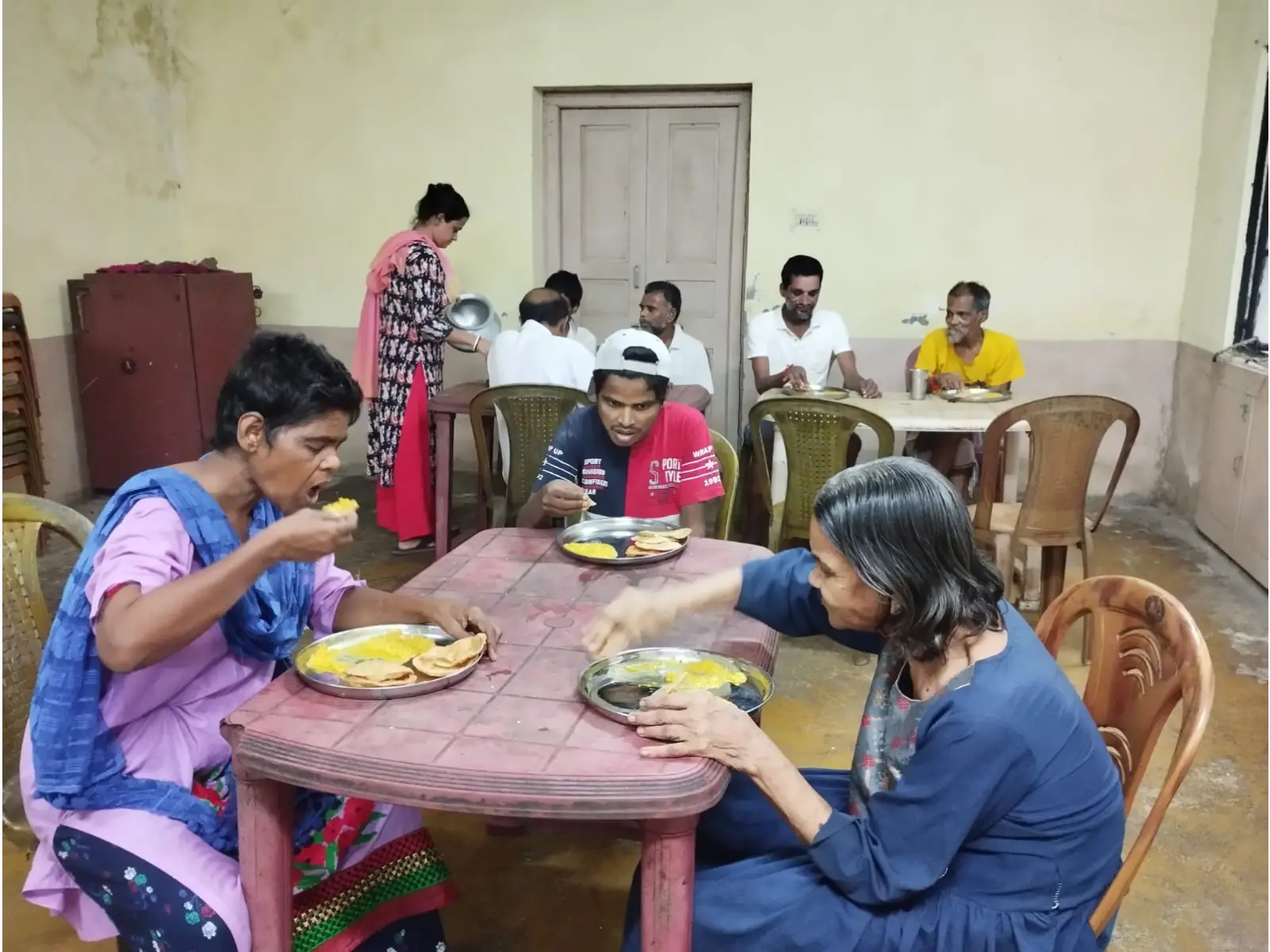
Recognising the urgency of the situation, the staff took immediate action. A General Diary Entry (GDE) was registered at Beleghata Police Station, and she was brought to the Beleghata shelter for temporary accommodation, medical assessment, and care.
Mehebuda, also known as Vaimuda, was found in a severely neglected state. She arrived at the shelter wearing unclean clothes, her hands and feet blackened with dirt, her hair matted and reddish in colour, and she appeared visibly malnourished. Initially, she resisted staying, remained silent, and kept to herself, showing signs of mental distress.
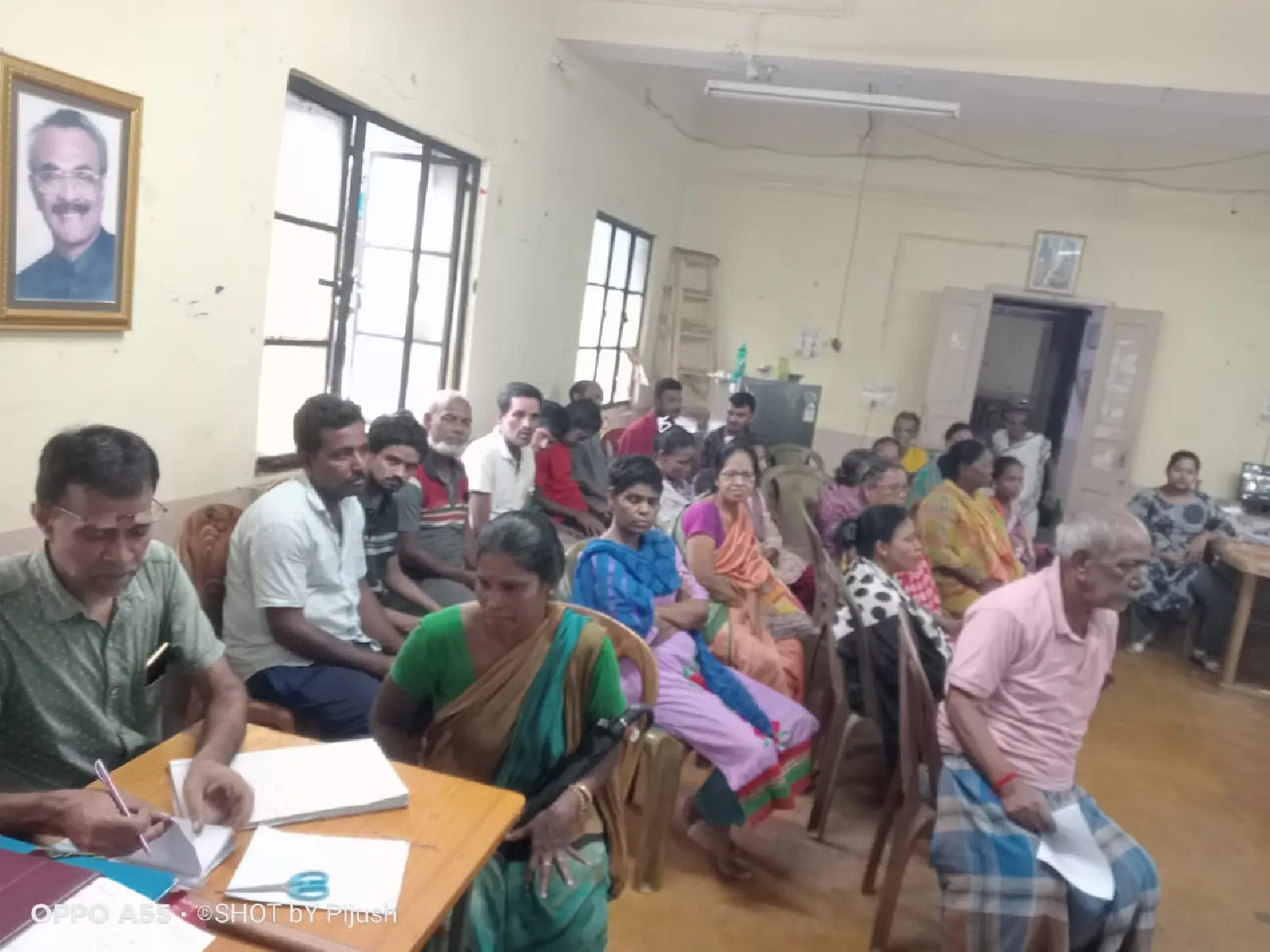
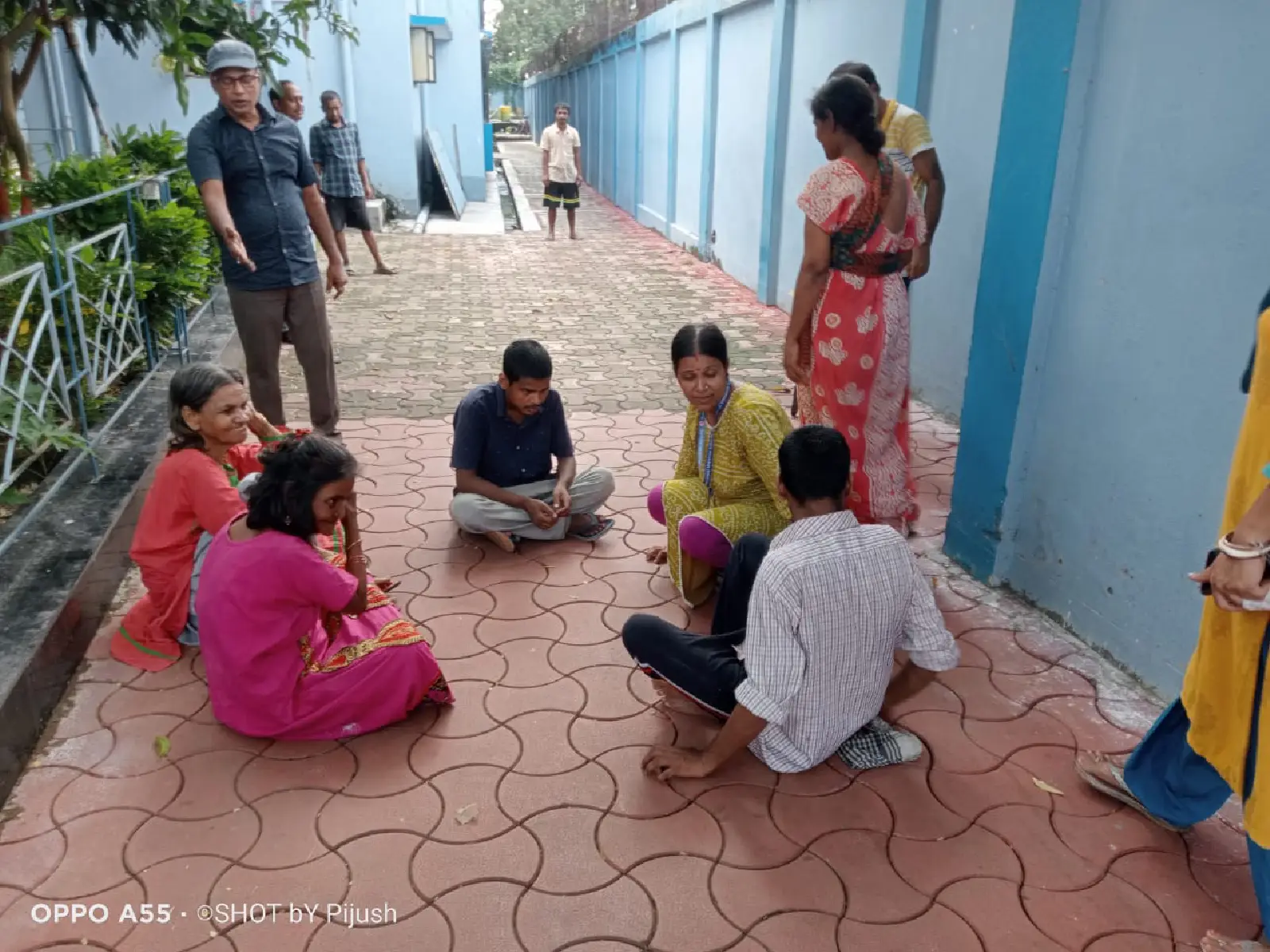
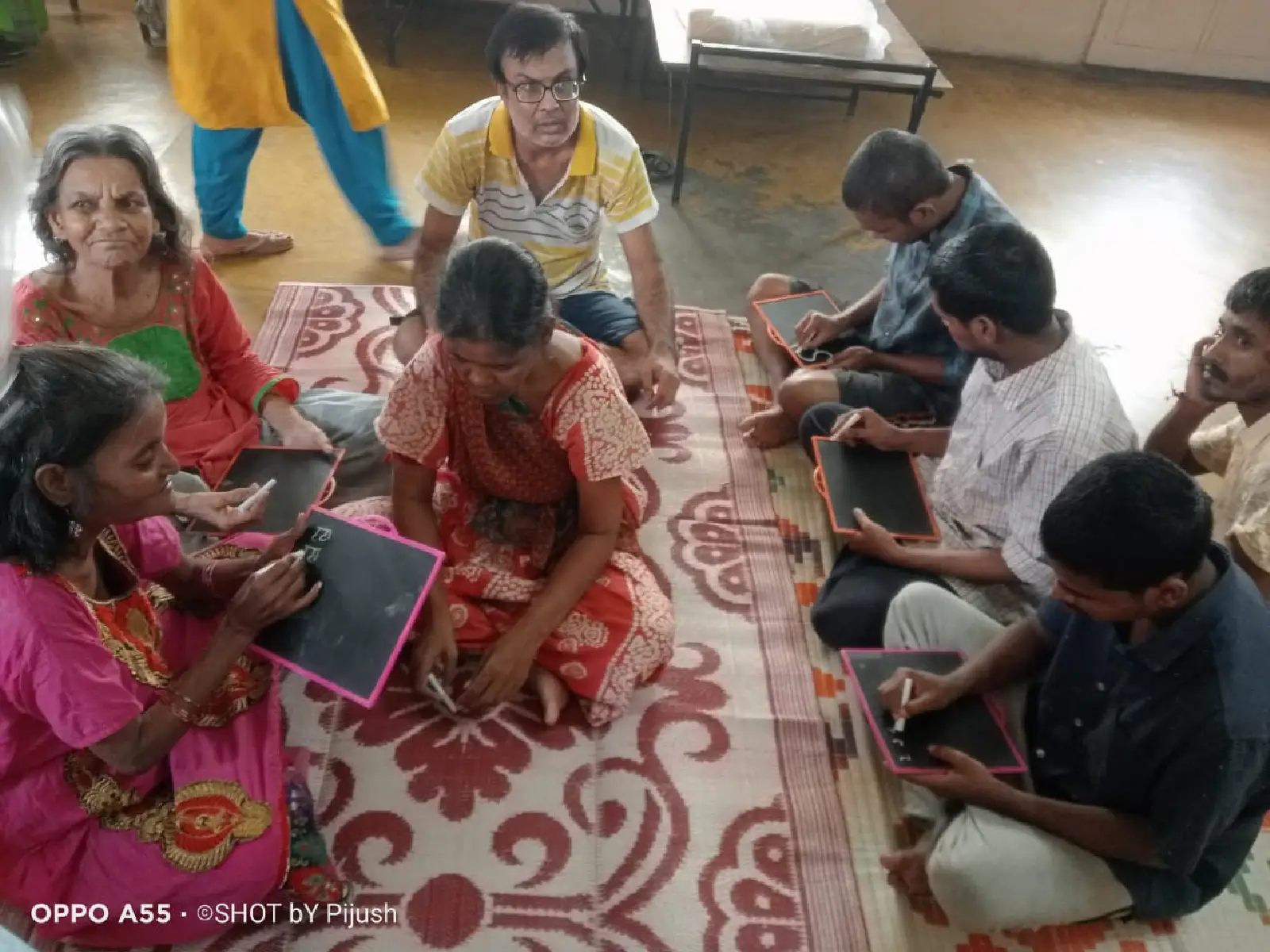
Despite her resistance, the shelter staff remained patient and consistent in their approach. They helped her maintain her hygiene, ensured she received her medical attention, and gradually introduced structured routines. Motivational counselling sessions were held regularly, and over time, Mehebuda began to show small signs of progress. She started maintaining her personal cleanliness, took her medicines regularly, and even began responding to basic conversations.
The staff continued to counsel her with the hope of identifying her family or home. Using visual and verbal cues, they helped her reflect on her past and tried to piece together clues about her background. She was constantly encouraged to remember where she came from and how she got lost. After some weeks, she began to mention a possible address. While repeated efforts to trace the location have so far been unsuccessful, the fact that she was able to recall and communicate information marked a meaningful step forward in her recovery.
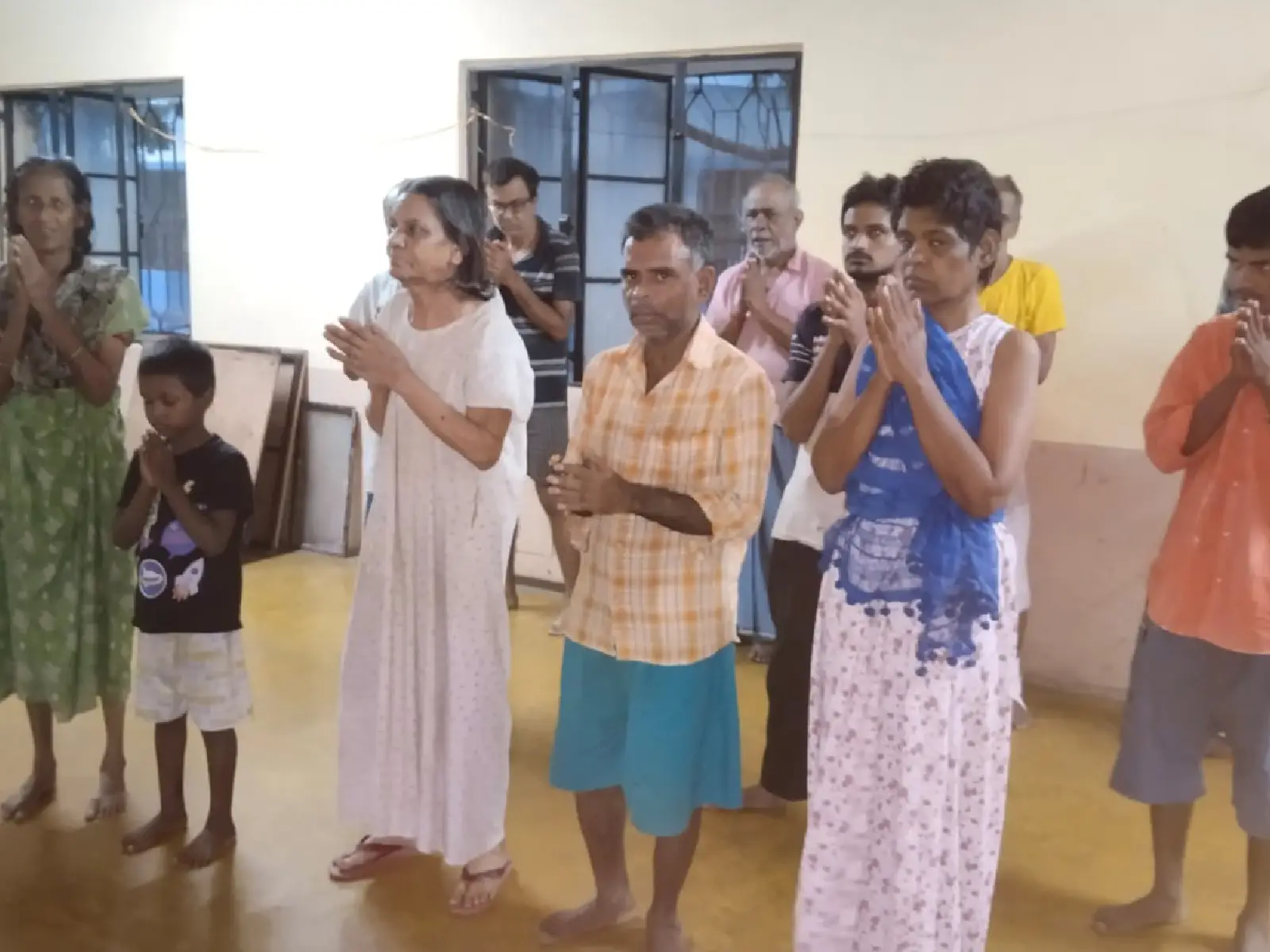
Today, Mehebuda wakes up on time, participates in daily activities with a sense of independence. Her journey is a powerful example of what compassionate rescue, mental health support, and a dedicated safe shelter can achieve for vulnerable women in crisis.
The Shelter for Urban Homeless continues to support individuals like Mehebuda helping them rediscover dignity, stability, and hope.
*Source: How India Treats Its Elderly, A HelpAge India National Report – 2017